How to Store Extra Virgin Olive Oil and Keep Its Quality
Extra virgin olive oil is a living product: light, heat, oxygen and time can damage its flavor and properties. Learn how to store it properly and avoid rancid oil.

Extra virgin olive oil (EVOO) is one of the true treasures of the Mediterranean pantry, but its quality can deteriorate quickly if it is not stored properly. In this complete guide, you will learn how to protect its flavor, aroma and health benefits from the moment you buy it until the moment you enjoy it.
In this article
Quick summary: key tips to protect your EVOO
- Always store it away from light, in dark or opaque containers.
- Keep a stable temperature between 15 °C and 20 °C, away from heat sources.
- Minimise contact with oxygen: close the bottle well and avoid huge containers if you won’t use them quickly.
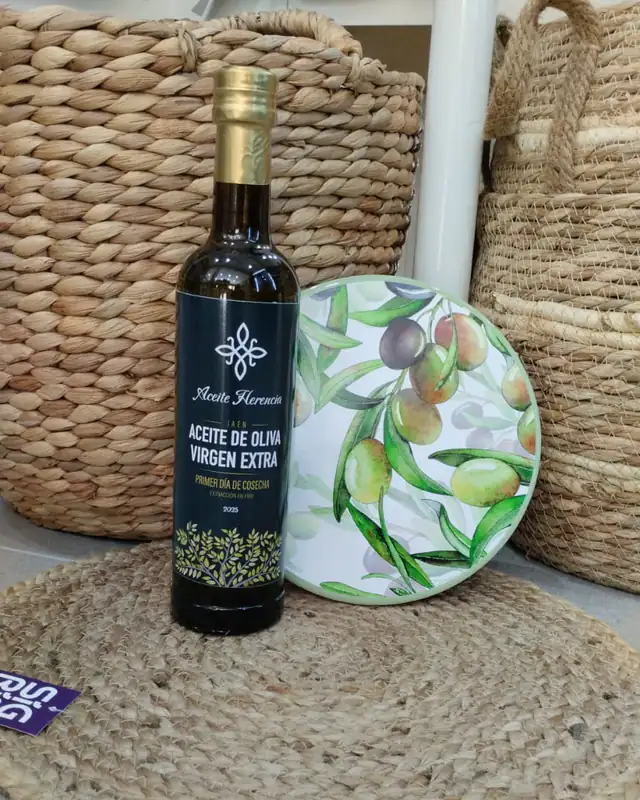
- Choose proper packaging (dark glass, tin or opaque ceramic) and avoid plastic and clear glass.
- Ideally consume the oil within 18–24 months from harvest or bottling.
Why proper storage matters
Extra virgin olive oil is a living product that contains natural antioxidants, vitamins and phenolic compounds, which give it its healthy properties and characteristic flavour. However, these compounds are very sensitive to environmental factors that can degrade them, reducing both nutritional benefits and aroma.
Poor storage can turn a top-quality oil into a flat, rancid product with no flavour or benefits. Knowing and applying proper storage techniques is essential if you want to get the most out of a premium extra virgin olive oil.
Factors that affect olive oil quality
-
Light
Light, especially sunlight and strong artificial light, is one of the main enemies of olive oil. UV rays speed up oxidation, degrading phenolic compounds and causing the oil to lose colour, flavour and antioxidant properties.
Practical tip: Always store your oil in dark glass bottles (dark green or amber) or fully opaque containers. If you buy oil in a clear bottle, keep it in a cupboard or dark pantry, never near a window or under direct light.
-
Temperature
Heat accelerates all chemical reactions, including the oxidation of oil. High temperatures (above 25 °C) will quickly deteriorate the quality of EVOO. Very low temperatures can cause the oil to solidify (this does not damage its quality, but it does change its texture temporarily).
Ideal temperature: Between 15 °C and 20 °C. Avoid storing the oil close to ovens, radiators, stoves or sunny windows. There is usually no need to keep olive oil in the fridge, unless you live in a very hot climate (above 30 °C for long periods).
-
Oxygen
Contact with oxygen in the air causes oxidation, generating compounds that lead to the typical rancid flavour. The more air in contact with the surface of the oil, the faster it will deteriorate.
Practical tip: Once opened, try to consume the oil within a reasonable period (3–6 months). If you use large containers, consider refilling smaller bottles for everyday use to minimise contact with air. Always close the cap tightly after each use.
-
Type of container
The packaging material has a big impact on how well the oil is preserved. The best options are:
- Dark glass bottles: Protect from light and are inert (do not react with the oil).
- Tin or stainless steel cans: Completely opaque and airtight, ideal for long-term storage.
- Opaque ceramic bottles: Traditional and effective, as long as they are well sealed.
Avoid: Clear plastic bottles, clear glass without any protection and never reuse containers that have held other products (especially detergents or chemicals).
-
Time
Olive oil does not “go off” like fresh food, but it does have a best-before date. Even under ideal conditions, it gradually loses its most volatile compounds and the flavour becomes softer over time.
Recommendation: Try to consume your oil within 18–24 months from the harvest or bottling date. Early-harvest oils usually have higher antioxidant content and tend to keep their qualities for longer.
Common mistakes when storing olive oil
-
Keeping the bottle on the kitchen counter
Many people keep the oil on the counter, close to the hob or a sunny window. This exposes it to light and constant temperature changes, speeding up its degradation. -
Using clear glass pourers
Clear glass pourers may look nice on the table, but they expose the oil to light. If you like using them, keep them in a dark cupboard when not in use. -
Leaving the bottle open
Forgetting to close the bottle properly after each use increases contact with oxygen and accelerates oxidation. -
Storing it in the fridge (in normal climates)
Unless you live in a very hot climate, refrigerating olive oil is usually unnecessary and can cause it to solidify, making it harder to use. Repeated temperature changes can also cause condensation inside the bottle. -
Buying containers that are too large
If you don’t use much oil, buying 5-litre containers may mean the oil sits open for months and loses quality. It’s better to buy smaller formats that you can finish within 2–3 months.
How to tell if an oil is oxidised or rancid
A rancid oil shows several clear signs that you can easily detect:
- Smell: It loses its fresh, fruity aroma and starts to smell like wax, varnish or even paint. If it smells “off”, it probably is.
- Taste: The flavour becomes flat, without the pleasant bitterness and peppery finish of fresh EVOO. It can taste metallic or like wet cardboard.
- Colour: It may become paler or take on a dull yellow tone.
- Texture: It can feel thicker or slightly sticky to the touch.
Practical tips to get the most out of your olive oil
1. Use the right oil for each preparation
Not all olive oils are the same, and not every use requires your very best bottle:
- Raw use (dressings, salads, toast): Use your highest-quality EVOO. This is where you will really notice its aroma and flavour.
- Cooking over medium heat: A good EVOO, but not necessarily the most premium one. Moderate heat softens the most intense flavours.
- Deep frying: Use a virgin (not necessarily extra) or even refined olive oil. Very high temperatures (above 180 °C) degrade many beneficial compounds, so it doesn’t make sense to use your finest oil for frying.
2. Recommended temperature ranges
Extra virgin olive oil has a smoke point around 160–190 °C, depending on its acidity and quality. To preserve its properties:
- Raw: No temperature limits (it is used cold).
- Gentle cooking and sautéing: Try to stay below 160 °C.
- Frying: Do not exceed 180 °C. If the oil smokes heavily, it is too hot and its properties are being damaged.
3. Rotate your stock
If you buy several bottles or larger formats, use a simple rotation system: always finish the oldest oil first and leave the newest for later. This ensures that you enjoy the oil at its best.
4. Label your containers
Write the opening date on your bottles. This makes it much easier to remember how long they have been open and which one you should prioritise.
5. Taste regularly
A good EVOO should taste fresh and fruity, with notes of green grass, almond or tomato leaf, and a pleasant bitterness and peppery tickle at the back of the throat. If you feel the flavour is fading, it’s time to use that bottle more quickly.
Special care for premium oils
If you have invested in a premium or early-harvest extra virgin olive oil, it deserves a bit of extra care:
- Keep it in its original container (if it is opaque) or transfer it to a dark glass bottle.
- Store it in a cool, dark place with a stable temperature.
- Ideally consume it within the first 6 months after opening.
- Use it mainly raw, to enjoy all its aromatic and sensory nuances.
Conclusion
Storing your extra virgin olive oil correctly is not complicated, but it does require attention to a few key details. Protecting it from light, heat, oxygen and excessive time will help you enjoy its flavour and health benefits for much longer.
Remember: a good olive oil is an investment in both health and pleasure. With these tips, you will get the most out of every drop and fully appreciate the quality you are paying for.
At Aceite Herencia, we are committed to offering extra virgin olive oils of the highest quality, and we hope this guide helps you preserve that quality from the mill all the way to your table.
About the Author

Aceite Herencia
Agri-food and olive oil training. Specialist in EVOO and food quality.
Content reviewed by the Aceite Herencia editorial team with technical expertise and experience in extra virgin olive oil.
Sold out
We've run out of boxes from this harvest. Subscribe to our newsletter and we'll let you know as soon as the new one arrives.

Related Articles

How to know if an olive oil is truly extra virgin: a complete guide
Not all oils labeled “extra virgin” offer the same quality. Learn how to identify authentic extra virgin olive oil through labeling, taste, aroma, freshness, and key quality indicators.

10 Delicious Recipes with Extra Virgin Olive Oil
Discover the best Mediterranean recipes with EVOO: salads, pasta, fish, desserts. Culinary techniques and perfect pairings to get the most from your premium oil.

Bread with EVOO: the perfect healthy and delicious breakfast
Bread with extra virgin olive oil is one of the healthiest and most traditional breakfasts. Discover its benefits, how to prepare it, and why it’s the perfect way to start your day.